
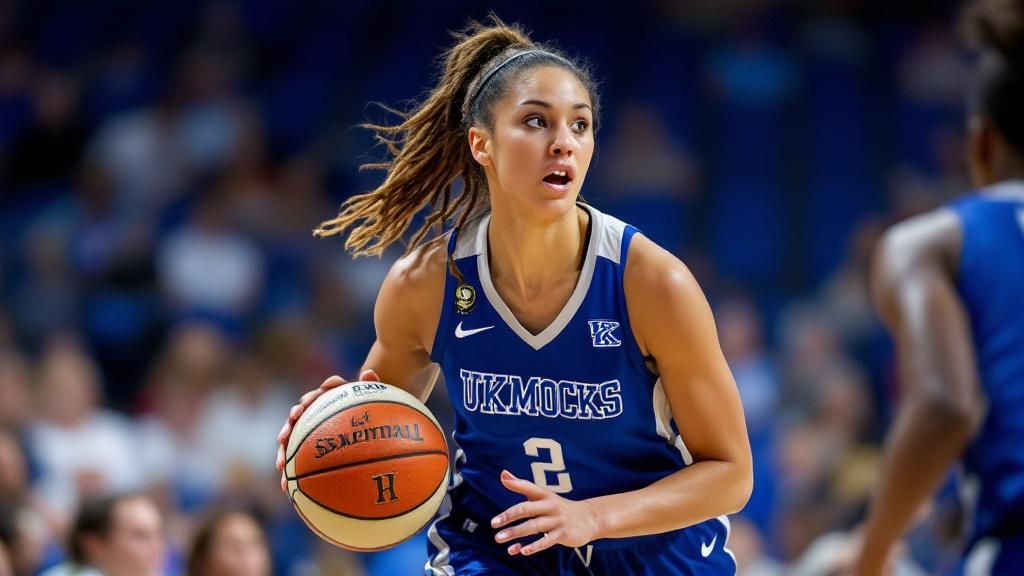
Women’s basketball has experienced an unprecedented surge in interest across UK schools, with engagement numbers attaining all-time highs. This notable increase shows a important transformation in perspectives on female sport and greater funding in local development schemes. From lower schools to sixth forms, girls are embracing the sport in historic proportions, dismantling traditional barriers and encouraging a emerging cohort of athletes. This article explores the factors driving this basketball revolution, celebrates the institutions spearheading the charge, and examines what this surge means for the future of women’s sport in Britain.
Growing Engagement Patterns
The increase in women’s basketball participation across UK schools has been nothing short of extraordinary. Over the last three years, participant numbers have risen progressively, with the most recent data indicating a 40% growth in women participants at high school level. This expansion extends beyond established centres, reaching schools in rural areas and socially deprived regions that once had limited basketball provision. The momentum reflects real interest amongst young women and demonstrates that when access is granted, girls enthusiastically adopt the sport with dedication and drive.
A number of factors have played a role in this remarkable rise. Greater funding from Sport England and the UK Basketball Association has made it possible for schools to set up or extend their programmes substantially. In addition, the profile of women’s professional basketball, notably through the British Basketball League’s expansion and press coverage, has motivated younger players to engage in the sport. Influential figures like top British athletes competing internationally have proven to be extremely valuable in illustrating that basketball presents genuine career pathways and aspirational opportunities for accomplished young female athletes.
School leadership has proven instrumental in facilitating this growth. Many school leaders and trustees have championed basketball development, acknowledging its value in enhancing physical health and building confidence amongst their girl pupils. Investment in facilities, coaching qualifications, and competitive league structures has established sustainable pathways for involvement. Additionally, integration of basketball into physical education programmes has exposed the sport to young women who would not have discovered it otherwise, expanding the player base significantly.
Regional differences in development trajectories reveal interesting insights about programme impact. Areas with committed basketball coaching personnel have experienced particularly strong increases, whilst regions adopting extensive coach training programmes have seen improved retention rates. The establishment of inter-school competitions and county competitions has fostered a competitive climate that drives continued participation. These structural improvements demonstrate how strategic planning and resource allocation directly result in demonstrable growth in participation numbers.
Looking at demographic shifts, engagement is growing increasingly inclusive across all age demographics and ability levels. Elementary school girls are now engaging with basketball through educational sports collaborations, building a robust platform for progression into secondary school. Furthermore, the emergence of inclusive teams welcoming players with disabilities has increased possibilities further. This expansion of participation ensures that basketball advancement is not restricted to elite performers but encompasses all girls wanting to play independent of their starting point or starting point.
Assistance and Infrastructure Expansion
Corporate Investment and Financing
The surge in women’s basketball participation across UK schools has been significantly bolstered by increased school funding and dedicated funding initiatives. Schools have acknowledged the importance of directing funds towards basketball initiatives, including acquiring high-quality equipment, upkeeping indoor courts, and hiring experienced coaches. Local councils and education authorities have given priority to basketball growth, understanding that proper infrastructure is crucial for sustaining this expansion. This monetary investment demonstrates a genuine shift in how schools value women’s sport, going past tokenistic gestures to sustained, substantive funding in women athletes’ development and success.
Furthermore, national sports organisations and governing bodies have increased their backing, providing grants and funding streams expressly aimed at women’s basketball initiatives. These financial resources have enabled schools to establish teams capable of competing, organise tournaments between schools, and develop routes into players with potential. Facility investment has also improved significantly, with numerous schools upgrading their sports centres to meet standards recognised internationally. This coordinated approach to funding guarantees that growth in participation is underpinned by the necessary infrastructure, stopping the momentum from stalling due to resource constraints or inadequate facilities.
Community partnerships have become another essential source of funding, with local businesses and organisations sponsoring basketball programmes and events. These working relationships have created long-term funding approaches that extend beyond traditional school budgets. Corporate sponsorship has enabled schools to acquire high-quality training resources, support coaching certifications, and cover travel costs for competitions at regional and national level. Such partnerships also enhance the prominence of women’s basketball across local areas, creating interest and participation outside the school setting.
Expert Coaching and Development Pathways
The development of strong coaching infrastructure has been instrumental in supporting increased participation levels across UK schools. Schools have committed to hiring qualified coaches with expertise in basketball, many of whom hold recognised certifications from governing bodies. Coaching development initiatives have equipped coaches to improve their skills, stay updated with modern training methodologies, and build specialised knowledge in coaching female athletes. This emphasis on coaching quality ensures that participants get high-quality instruction, which actively contributes to improved performance, greater enjoyment, and increased retention figures within basketball initiatives.
Structured development frameworks have been put in place to assist talented players’ progression from school level through to university and professional opportunities. These frameworks provide clear targets and progression routes, inspiring junior players to commit to their development as basketball players. Coaching partnerships bringing together secondary school athletes with university-level athletes and professional competitors have demonstrated significant value, providing encouragement and actionable direction. These extensive support frameworks show that educational institutions are serious about fostering ability with real dedication, creating genuine opportunities for women basketball athletes to chase their athletic goals at the highest levels.
Future Prospects and Potential Avenues
The direction of women’s basketball in British schools points towards an exceptionally bright future, with several promising developments on the horizon. Funding by regulatory authorities, sponsorship deals, and increased media coverage are creating remarkable prospects for schoolgirl competitors. Universities are increasing their basketball scholarships, acknowledging the standard of athletes coming through secondary schools. Furthermore, the exposure to professional women’s basketball leagues, nationally and globally, offers motivational figures for schoolgirls. This combination of developments indicates that current participation levels will keep increasing, cementing basketball as a mainstream sport for young women nationwide.
Beyond engagement metrics, the sustained effects for women’s sport in Britain are profound and far-reaching. The success of basketball programmes demonstrates that girls will participate actively with sport when given genuine opportunities and suitable backing. Schools are now able to capitalise on this momentum, expanding facilities and coaching resources to accommodate growing demand. Moreover, the cultural shift towards valuing female athletes equally with their male counterparts establishes a lasting basis for continued growth. As these young players advance during their educational journeys, many will become advocates, coaches, and leaders, perpetuating this positive cycle and transforming the landscape of female athletics in the UK.
